
CLNICAL TRIALS WARSZAW
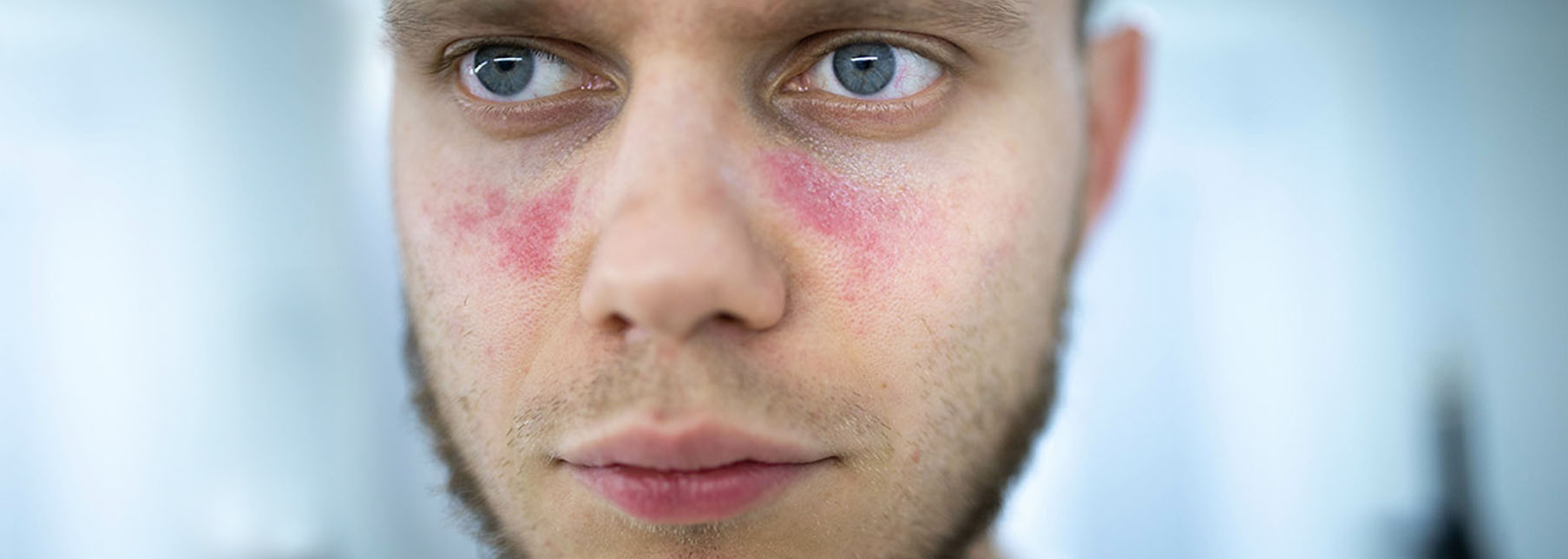
A multi-organ, chronic autoimmune disease—this means the disease results in damage to many organs, structures, and tissues. A characteristic feature of lupus is inflammatory skin symptoms in the form of erythema. SLE can often damage the joints, lungs, heart, blood vessels, nervous system, and kidneys. The disease usually begins between the ages of 20 and 40, but it can appear as early as childhood. The incidence is several times higher in women than in men.
The exact causes of lupus are unknown. It is known that genetic predispositions in the immune system (responsible for removing foreign or unnecessary elements from the body) play a significant role. Malfunction and misrecognition by the immune system result in the body attacking its own cells. Research shows that bacterial and viral infections, hormones, exposure to sunlight, and certain medications may play a major role in the development of lupus.
Symptoms of the Disease
External manifestations include skin changes such as butterfly-shaped erythema on the cheeks and on parts of the body exposed to sunlight (décolletage, forearms). Erosions similar to aphthous ulcers may appear on the oral mucosa. These symptoms are also accompanied by a sense of weakness, fever, joint pain, and sometimes hair loss. These signals indicate the involvement of internal organs and structures.
Clinical symptoms largely depend on the intensity of the inflammation in specific organs:
Diagnosis
Laboratory tests allow for the determination of inflammatory activity and the detection of organ dysfunction and serological markers of autoimmunity. If concerning symptoms appear, a visit to a rheumatologist is essential.
A proper diagnosis of SLE requires a detailed compilation of information and test results. Because symptoms characteristic of SLE also occur in many other diseases, it is important to conduct diagnostics under the supervision of a physician. Confirmation always requires a thorough patient history, laboratory tests, and imaging. A classification system of criteria (containing over a dozen items) is also helpful; at least four must be confirmed to diagnose SLE.